
Logo Design Best Practices for Modern Brands
Introduction
A strong logo plays a central role in how modern brands are perceived in competitive digital markets. As consumers interact with businesses across websites, social media, apps, and physical touchpoints, logos must instantly communicate trust, clarity, and brand purpose. Modern branding expectations have evolved beyond decorative visuals toward strategic design systems that support recognition and growth. Logos today are expected to be flexible, memorable, and aligned with long term business goals. This guide provides practical logo design best practices for startups and rebrands seeking to create a strong, scalable visual identity that performs consistently across platforms.
Professional branding agencies such as Navazon approach logo design as a strategic asset rather than a purely visual element.
What Makes a Logo Effective Today?
An effective modern logo combines simplicity, memorability, and meaning. It should clearly represent the brand without relying on excessive detail or complexity. Successful logos are easy to recognise, even at a glance, and communicate a clear brand personality. Versatility is also essential, as logos must function across digital screens, print materials, and promotional assets. A well designed logo maintains clarity in different sizes and formats. Modern effectiveness comes from balancing visual appeal with strategic alignment to the brand’s mission and audience expectations.
Scalable Logo Design for Multi Platform Use
Scalability is critical for modern brands operating across multiple platforms, especially for advertising agencies in LA. Logos must work seamlessly on websites, mobile apps, social media profiles, email signatures, and printed materials. A scalable logo retains its impact whether displayed large on signage or small as an icon. Designing in vector formats ensures that logos can be resized without losing quality. Responsive logo systems, which include variations for different contexts, help maintain consistency while adapting to platform requirements. Scalability protects brand recognition as the business grows.
Understanding Color Psychology in Logo Design
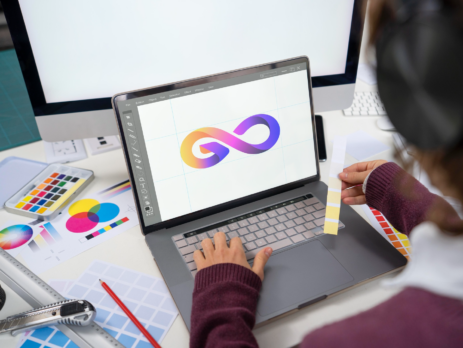
Color plays a powerful role in shaping how a brand is perceived. Different colors evoke different emotions, such as trust, energy, calm, or authority. Choosing colors that align with brand values helps reinforce messaging and emotional connection. Consistency is equally important, as color variations can weaken brand recognition. Modern logo design considers how colors appear across digital and physical mediums. Accessibility and contrast must also be considered to ensure readability. Thoughtful color selection strengthens brand identity and improves audience engagement.
Typography Choices That Strengthen Brand Identity
Typography is a key component of logo design that directly influences brand tone and personality. Serif fonts often convey tradition and reliability, while sans serif fonts are associated with modernity and clarity. Custom typefaces can help brands stand out, but they must remain readable and versatile. Font choices should align with the brand’s positioning and target audience. Consistent typography across branding materials reinforces recognition. A well chosen typeface supports both visual appeal and functional clarity in logo design.
Simplicity and Visual Balance in Logo Design
Simplicity improves recognition and usability in logo design, which is especially important for advertising agencies in la. Minimal designs are easier to remember and more adaptable across platforms. Visual balance ensures that elements within the logo feel cohesive and intentional. Managing negative space helps prevent clutter and enhances clarity. Overly complex logos often lose impact when scaled down or displayed in digital environments. Modern brands benefit from logos that communicate their message with fewer elements while maintaining visual harmony. Simplicity supports longevity and consistent brand presentation.
Logo Redesign: When and Why It Makes Sense
A logo redesign may be necessary when a brand evolves, changes direction, or outgrows its original identity. Signs include outdated visuals, poor scalability, or misalignment with current brand values. Redesigning a logo requires balancing existing brand equity with modern updates. Frequent or unnecessary redesigns can confuse audiences and weaken recognition. Strategic redesigns focus on refinement rather than complete transformation. A thoughtful approach ensures continuity while improving relevance and performance in modern markets.
Designing Logos With Long Term Brand Growth in Mind
Logos designed for longevity help brands avoid frequent updates and maintain consistent recognition, which is especially valuable in clinical research marketing. Trend driven designs may feel current initially but can quickly become outdated. Long term logo design prioritises timeless elements and adaptability. Brands should consider future expansion into new products, services, or markets. A flexible logo system allows for growth without losing identity. Designing with the future in mind ensures that the logo remains relevant as the business evolves and scales.
Common Logo Design Mistakes to Avoid
Many logo design issues stem from overcomplication. Using too many colors or fonts can dilute brand clarity. Poor readability at small sizes reduces usability across digital platforms. Ignoring brand strategy during the design process often results in logos that look appealing but lack purpose. Inconsistent application across materials weakens recognition. Avoiding these mistakes requires a strategic approach that prioritises clarity, alignment, and consistency from the start.
Working With Professionals for Brand Consistency
Professional designers bring expertise in strategy, usability, and brand systems. Working with experts ensures that logo design aligns with broader branding elements such as color palettes, typography, and messaging. Professionals also help maintain consistency across all visual touchpoints. This is especially important for brands operating in competitive spaces such as los angeles social media marketing, where visual identity plays a key role in audience trust and engagement. Expert guidance reduces risk and improves long term brand performance.
Industries with specific messaging and compliance needs, including mental health clinic marketing, benefit greatly from strategic logo and brand design.
Conclusion
Modern logo design requires more than visual appeal. It demands strategic thinking, scalability, and alignment with long term business goals. Effective logos are simple, versatile, and meaningful, supporting consistent recognition across platforms. Thoughtful use of color, typography, and balance strengthens brand identity while avoiding common design pitfalls. Treating a logo as a long term brand asset ensures durability and relevance in evolving markets. Businesses seeking expert support can reach out through the contact page to develop logo designs that support sustainable brand growth.
FAQs
1. What are the most important logo design tips for startups?
Startups should focus on clarity, scalability, simplicity, and alignment with brand values.
2. Why is scalable logo design important?
Scalable logos ensure consistent branding across websites, apps, social media, and print materials.
3. How does color psychology impact logo design?
Colors influence emotions, trust, and brand perception, shaping how audiences connect with a brand.
4. When should a business consider a logo redesign?
A redesign is appropriate during rebranding, growth phases, or when a logo no longer reflects the brand.
5. Can typography alone define a strong logo?
Yes, well chosen typography can create a distinct and memorable brand identity when used strategically.